Birding in Chelan County
The Horan Natural Area is a 100-acre wetland just outside of Wenatchee, where the Wenatchee River enters the Columbia and creates an amazing habitat for birds and wildlife, and is part of the Wenatchee Confluence State Park.
John Horan was a pioneer in the region and is noted for taking a train carload of local apples to the Chicago World’s Fair in 1901. This acreage was once the family homestead, and you can see part of the orchard near the southern entry point. Locals may remember the amazing dining opportunity that was created out of the landmark 1899 Victorian-style John Horan House Restaurant from 1982 until 2019, when it was no longer viable to maintain.

heron in flight
The Horan Natural Area is an amazing place to get a breath of fresh air and enjoy gravel trails and a wide variety of birds and wildlife throughout the year. A nearby field and stand of willow and cottonwood provide abundant bird habitat, which vary by season, although several species are considered residents here, including a mating pair of bald eagles in a nest high above.
The confluence of the two rivers creates an estuary, and fluctuating water levels in the streams that flow through the wetland from summer to winter create a diverse experience no matter when you visit. Wenatchee Confluence State Park and by extension the Horan Natural area is a designated birding location on The Great Washington State Birding Trail – Cascade Loop (Audubon Society).
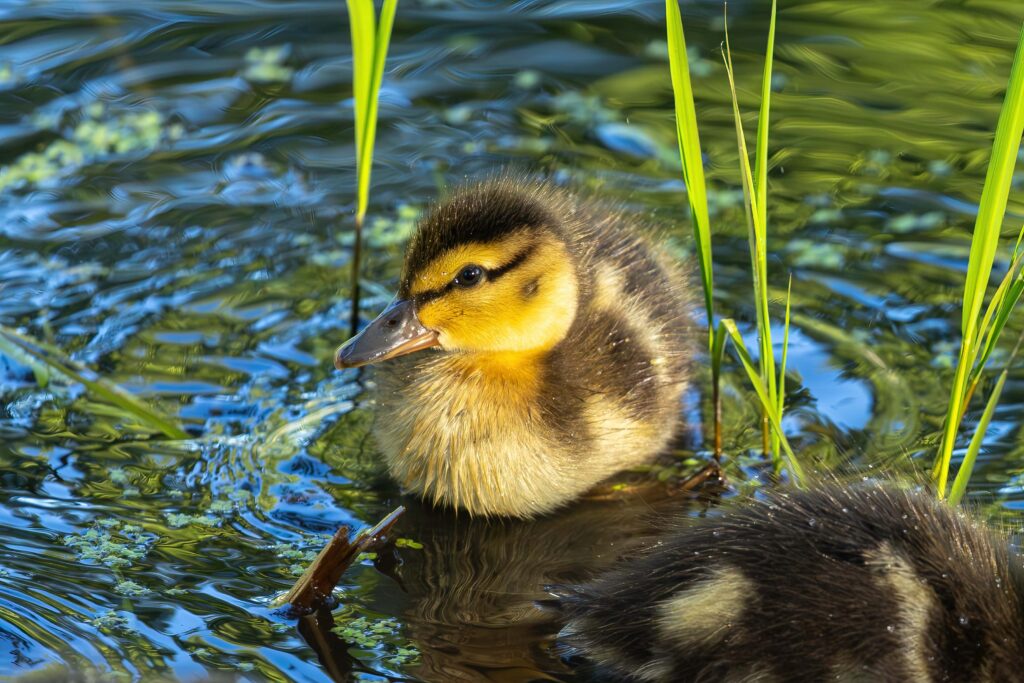
baby mallard
Over two miles of trails include a large loop, with several extensions. Interpretive signage shares the story of the wildlife in the areas with several benches and resting areas. A pit toilet is near the north entrance. There is no elevation gain, and it sits about 640 feet above sea level, the level of the Columbia River here between the Rocky Reach and Rock Island dams. In addition to views of the rivers, you can see Mission Ridge and the Sage Hills. Oxbow ponds offer refuge for ducks as well as frogs, muskrats and beaver.
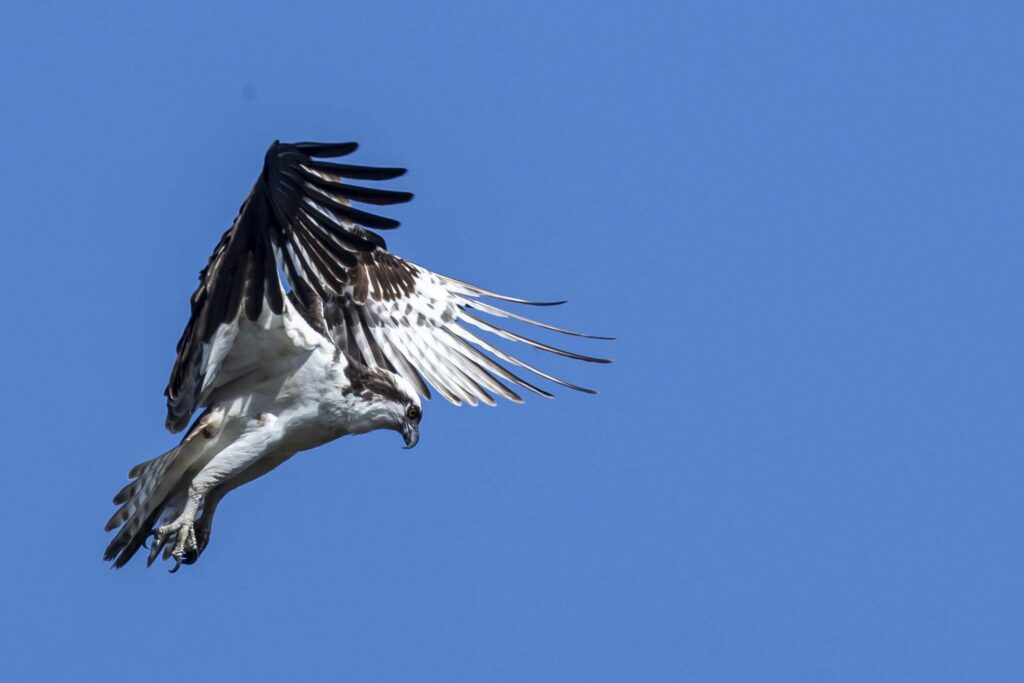
Osprey hovering
It is recommended that you always stay on the designated trails and during spring and summer especially, avoid brushing against tall grass growing along the edges of the trail, when ticks may be encountered.
Leashed dogs are welcome, please clean up after them. Joggers and bikes may be enjoying this area, so be aware of your surroundings and others sharing this space.
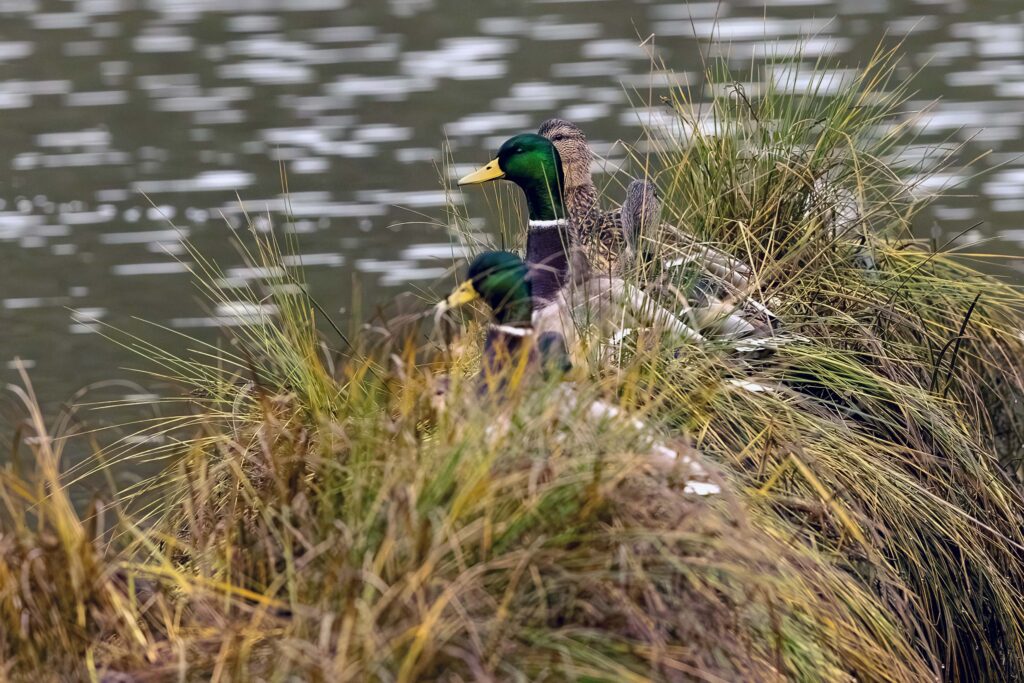
a island of ducks – Mallards
This list is not comprehensive of all species that might be seen at this location, and the timing of their visits to this natural area may vary by several weeks, but it can give you a good idea of what you can look for!
All Year: American Crow, Anna’s Hummingbird, Bald Eagle, Belted Kingfisher, Bewick’s Wren, Black-capped Chickadee, Canada Goose, Common Merganser, Downy Woodpecker, European Starling, Great Blue Heron, Mallard, Mourning Dove, Northern Flicker, Red-breasted Nuthatch, Red-tailed Hawk, Red-winged Blackbird, Ring-necked Pheasant, Song Sparrow, Spotted Towhee
Spring through Fall: American Robin, Violet-green swallow
Summer: Brewer’s Blackbird, Cedar Waxwing, Osprey, Turkey Vulture
Fall through Spring: American Kestrel, American Wigeon, Dark-eyed Junco, Lesser Scaup, Ruby-crowned Kinglet, Snow Goose, White-crowned Sparrow

American Kestral
There are two parking areas to access the trails, the nearest to Wenatchee is in the parking area near the playground at Walla Walla Point Park. No parking permit will be needed here. 1500 Walla Walla Ave, Wenatchee, WA. Google Map link: 47.45, -120.32
The second access point is at Confluence State Park. A designated parking area is available along the Apple Capital Loop Trail which provides a path to the natural area. A Washington State Discover Pass is required to park in this location. 333 Olds Station Road Wenatchee, WA. Google Map link: 47.46, -120.33
All photos by Pete Freund Photography