Supporting the Soul of Lake Chelan: Why Local Vineyards Matter
The Lake Chelan AVA (American Viticultural Area) is more than just a picturesque destination tucked into the eastern slopes of Washington’s Cascade Mountains. It is a living, breathing agricultural treasure—a unique winegrowing region defined by glacial soils, dramatic elevation shifts, and a pristine lake that helps moderate the climate and extend the growing season. Yet, this irreplaceable viticultural landscape is increasingly at risk from a surprising threat: disconnection.
As the region gains popularity as a vacation escape and second-home haven, a growing number of tasting rooms have opened along the valley floor and hillsides. While most of these venues are lovely to visit and can have excellent wine, they are only loosely tied—or entirely unrelated—to the land they stand on. Wines made from grapes trucked in from faraway regions now dominate many local tasting lists. While still legally “Washington wine,” these bottles do little to preserve the character, sustainability, and authenticity of the Lake Chelan AVA.

The Urgent Need to Protect Local Agriculture
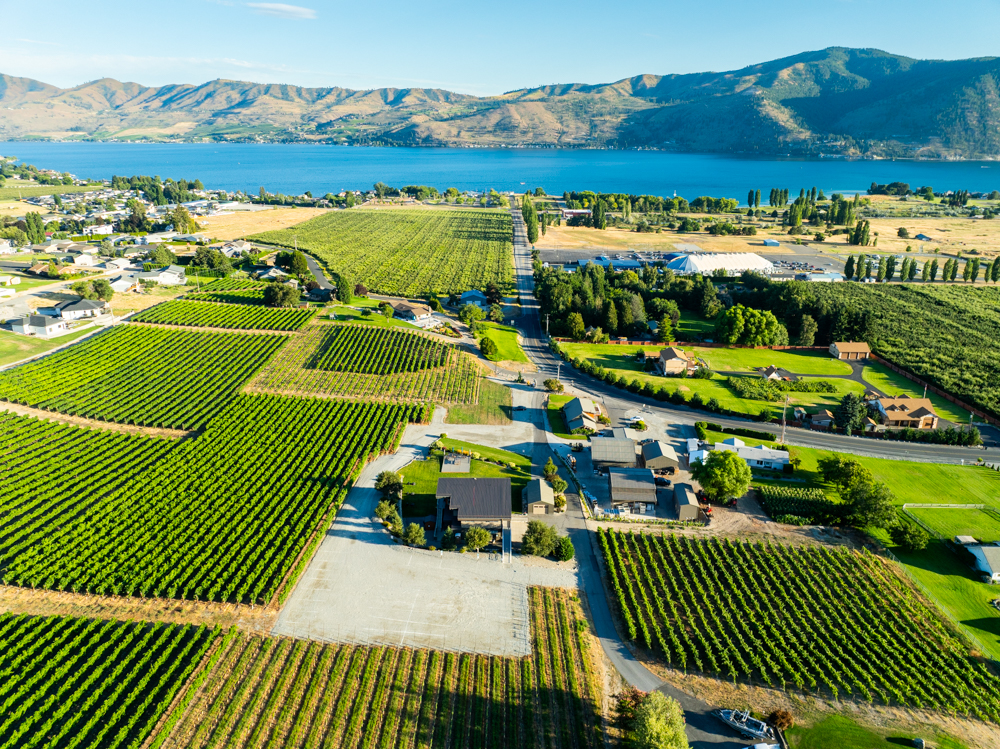
The slow encroachment of housing developments into formerly agricultural land is a concern across many of the world’s most celebrated wine regions, and Lake Chelan is no exception. Every vineyard replaced by a new home represents a permanent loss of farming potential. This isn’t just about preserving bucolic scenery; it’s about supporting the farmers who have invested in the soil, climate, and science of Lake Chelan winegrowing. Once that land is paved or landscaped, it will never return to vine.
Preserving the AVA means supporting those who grow grapes here. It means ensuring that wine lovers—locals and visitors alike—understand and appreciate what makes this place so special: volcanic and glacial soils, the lake’s cooling influence, and the tenacity of small-scale growers committed to quality over convenience.
It also means protecting the economic backbone of the local community. Agriculture—particularly viticulture—not only sustains small family farms, but also provides well-paying, year-round jobs in vineyard management, winemaking, hospitality, logistics, and agri-tourism. These jobs help retain young families in the Chelan Valley, supporting local schools, businesses, and the long-term vitality of the region. When we support vineyards that grow and make wine locally, we’re also helping to preserve the social fabric that keeps the community strong.
How to Truly Support the Lake Chelan AVA
The most effective way to support the Lake Chelan AVA is by visiting and purchasing wine from wineries that actually make wine with grapes grown in the AVA. Look for labels that say “Estate Grown,” “Lake Chelan AVA,” or ask your tasting room staff directly where their fruit comes from. Many will proudly explain their commitment to local vineyards, and some may even take you into the vines themselves.


Here are a few tips:
- Do Your Homework: Not all Lake Chelan wineries are created equal. Some are deeply rooted in the valley’s terroir, while others source grapes from Yakima, Walla Walla, or beyond.
- Ask Questions: Don’t be afraid to ask, “Are these grapes grown in the Lake Chelan AVA?” The more people show interest, the more incentive there is for wineries to invest in local fruit.
- Support Estate Wines: Wineries that farm their own vineyards or contract with local growers are reinvesting in the community and its land.
- Join Local Wine Clubs: When you sign up for a wine club that focuses on Lake Chelan-grown wines, you’re committing to an ongoing relationship with the region.
- Share the Story: Talk about what you learned. Post about your experiences. Highlight the importance of supporting local agriculture.
Wineries That Walk the Talk
If you’re looking for places that consistently champion Lake Chelan-grown grapes, start with:
- Tsillan Cellars – A pioneer in the region, with estate-grown varietals like Barbera and Sangiovese. Their estate vineyards are prominently featured in their wines.
- Hard Row to Hoe Vineyards – A boutique winery with a deep commitment to sustainable farming and estate-grown grapes, including Tempranillo and Pinot Noir.
- Amos Rome Vineyards – Known for producing wines exclusively from their own Lake Chelan vineyards. Try their Albariño and Grüner Veltliner for a true taste of the AVA.
- Karma Vineyards – Especially for sparkling wine enthusiasts, Karma’s méthode champenoise bubbles begin and end in their Chelan vineyards.
- Tildio Winery – Family-owned and focused on small-lot production using estate and locally grown grapes, including Syrah and Viognier.
- Benson Vineyards Estate Winery – Producing estate-grown wines with a strong emphasis on Rhône and Bordeaux varietals, all overlooking the lake.
- Four Lakes Winery – Dedicated to using Lake Chelan AVA grapes and highlighting the expression of this unique terroir.
- Lake Chelan Winery – One of the oldest bonded wineries in the region, deeply connected to the local growing community and vineyards.
- Chelan Valley Farms (Lagriōth Winery) – A family-run winery and working farm, Chelan Valley Farms is committed to crafting wines from their own estate vineyards, promoting sustainability and agricultural education.
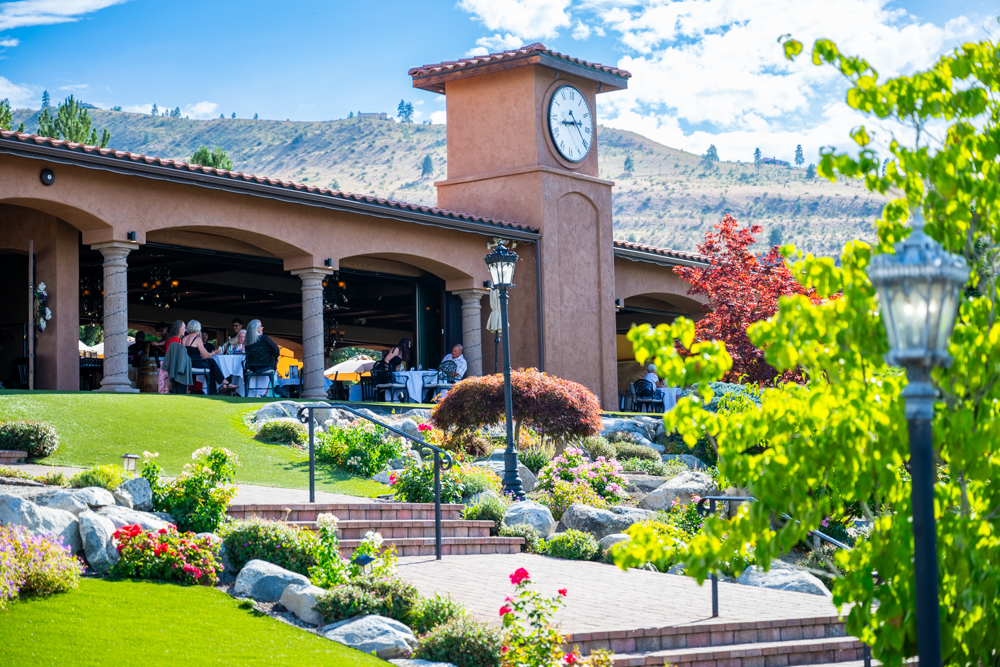

A Unique Place Worth Preserving
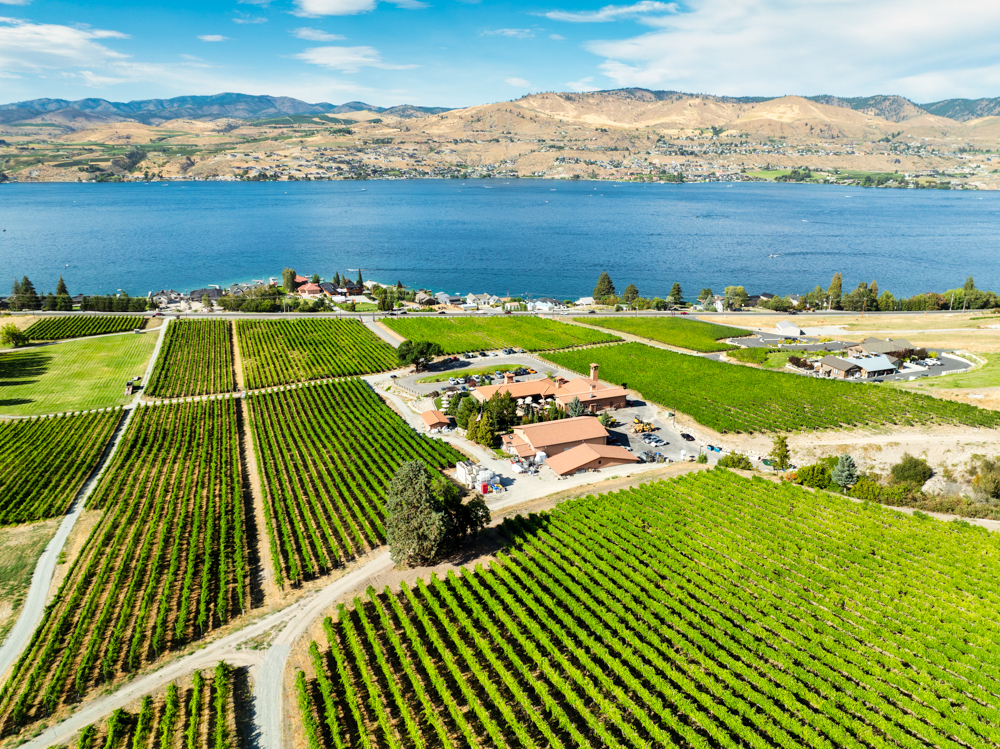
Lake Chelan is not just another wine region—it is a rare and specific combination of geography, geology, and culture that can’t be replicated anywhere else. Its wines express something singular, especially when grown and crafted within its AVA borders. If we want to preserve that uniqueness for future generations, we need to shift our attention—and our spending—toward the people who are cultivating the land with intention and integrity.
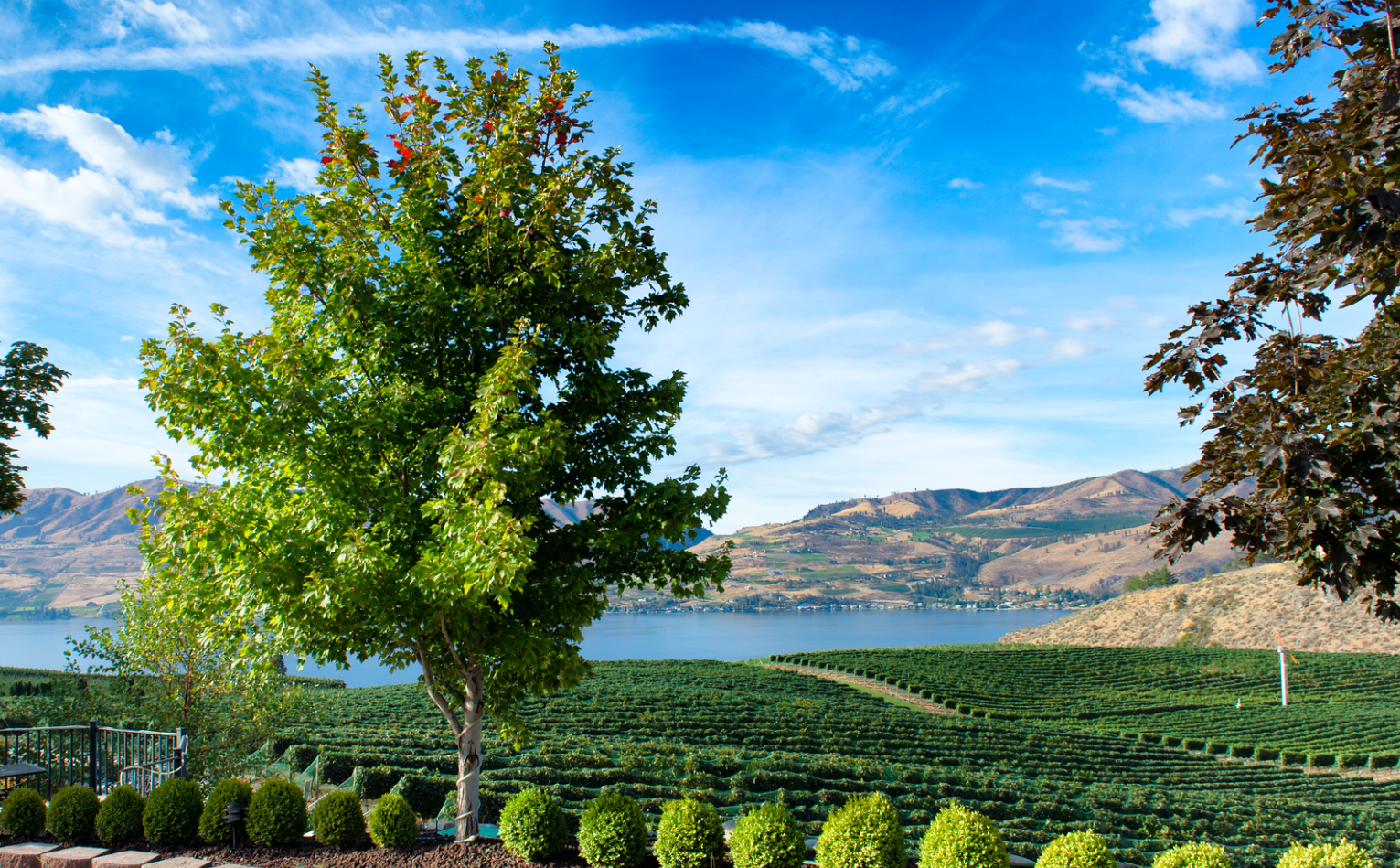
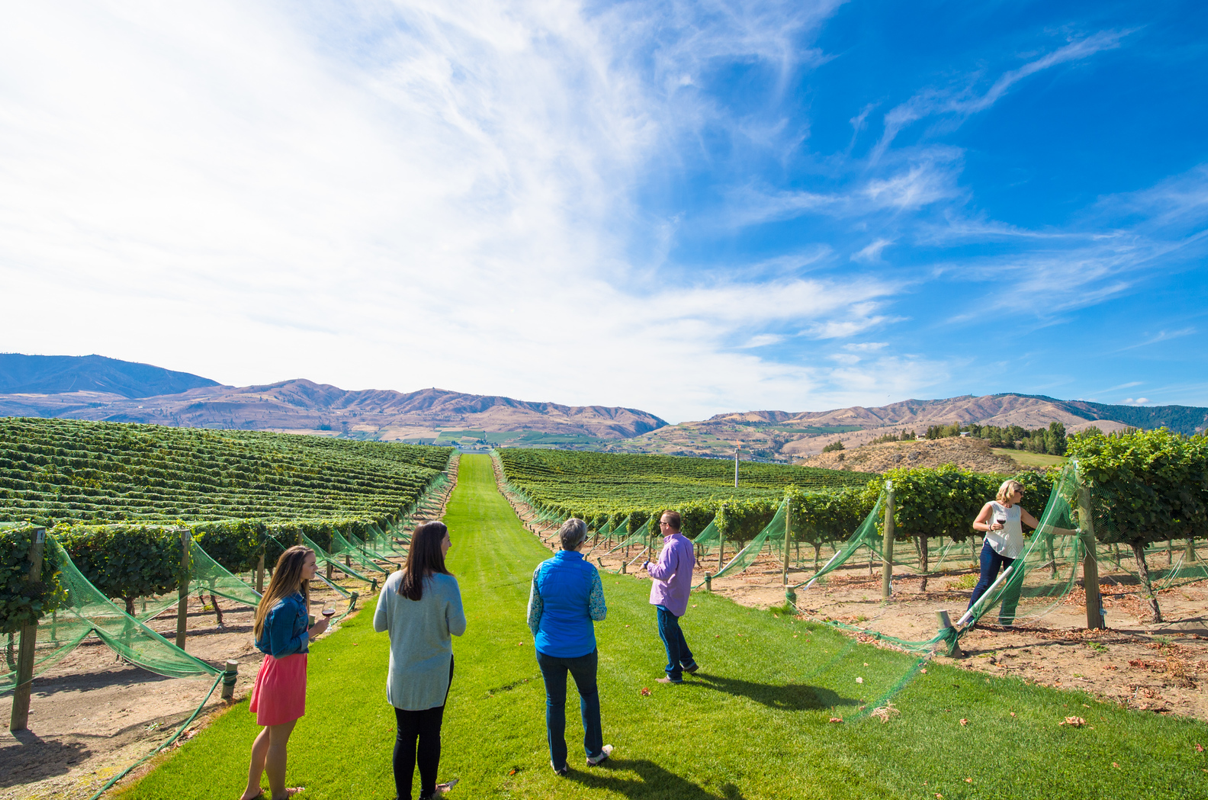
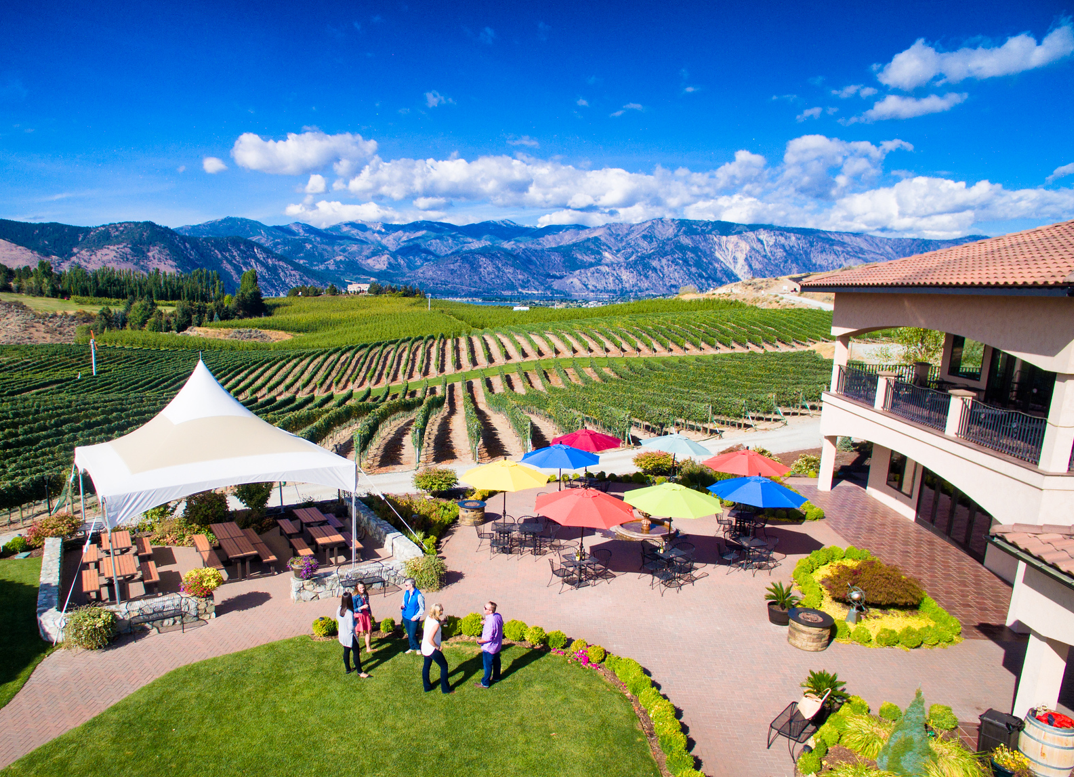
Supporting local vineyards is about more than wine. It’s about protecting a way of life, sustaining a local economy, and preserving one of the most beautiful and unique agricultural landscapes in the Pacific Northwest. Next time you’re sipping a glass in the Chelan sun, ask yourself: “Did this wine grow here?” The answer matters more than you think.
More on the farms and growers behind the valley: the Chelan County Food & Farm Trail.